
The Frozen Tundra
Open, exposed, and merciless
The frozen tundra is the open, wind-scoured heart of Permafrost's world: wide snowfields with little cover, where storms and exposure are the main threats. A profile of what to expect and how to cross it.
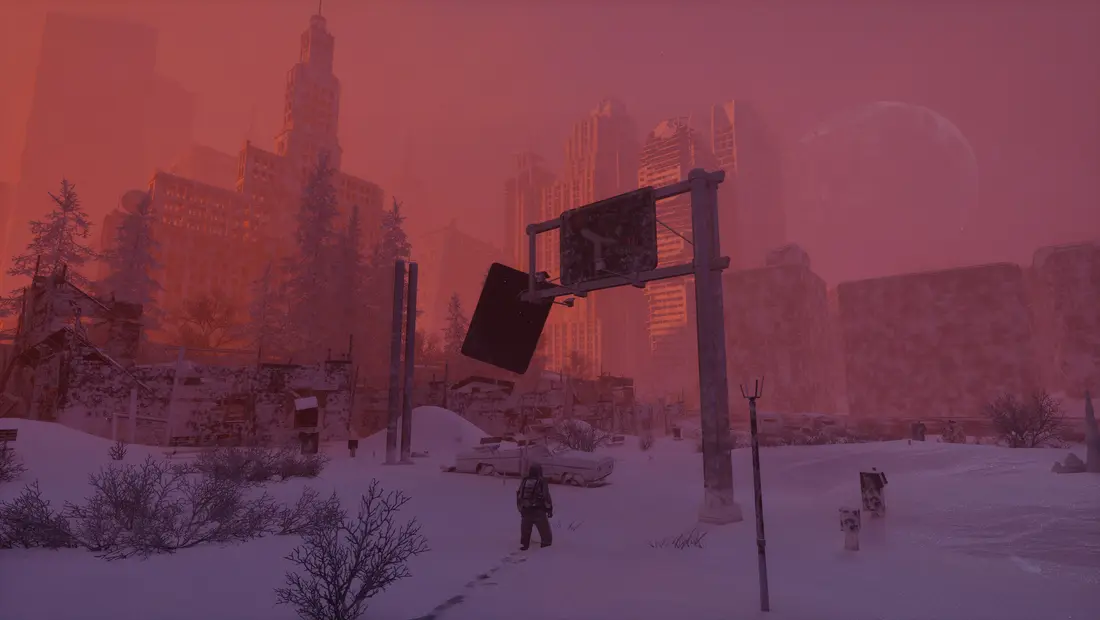
Permafrost spans a wide, sandbox map of frozen terrain, and the tundra is its most exposed face: vast, wind-scoured snowfields stretching toward the horizon with little to break the cold. This is a profile of what the biome demands. Because the full map is not yet public, treat specifics as expected until the game is in your hands.
What it looks like
The tundra is open country. In clear weather, long sightlines make it one of the easier biomes to navigate, with distant ruins and landmarks visible across the snow. That openness is also its danger: there is little natural cover from wind and weather, and the cold bites hardest where nothing slows the wind.
The main threat: exposure
In sheltered biomes you can duck behind terrain to wait out a storm. On the tundra, you often cannot. When a whiteout rolls in, landmarks vanish and the cold spikes, and a route that felt trivial in clear weather becomes a fight to reach the next heat source.
How to cross it
Treat the tundra as a series of hops between warm points rather than one long march:
- Scout the weather first. Do not commit to a long crossing with a storm building.
- Plan heated waypoints. Shelters and fires along the route turn a deadly march into manageable legs.
- Lean on your dog. Your companion helps you hold a bearing and spot what the snow hides.
- Pack warmth, not just gear. Layered clothing buys the extra minutes that get you to cover.
Crossed carefully, the tundra is a fast highway between regions. Crossed carelessly, it is where overconfident survivors freeze within sight of shelter.