
Cold-Weather Clothing
Your first line against the cold
In Permafrost, layered cold-weather clothing slows heat loss and extends how long you can survive outside. A look at why clothing matters, how layering works, and what to prioritize.
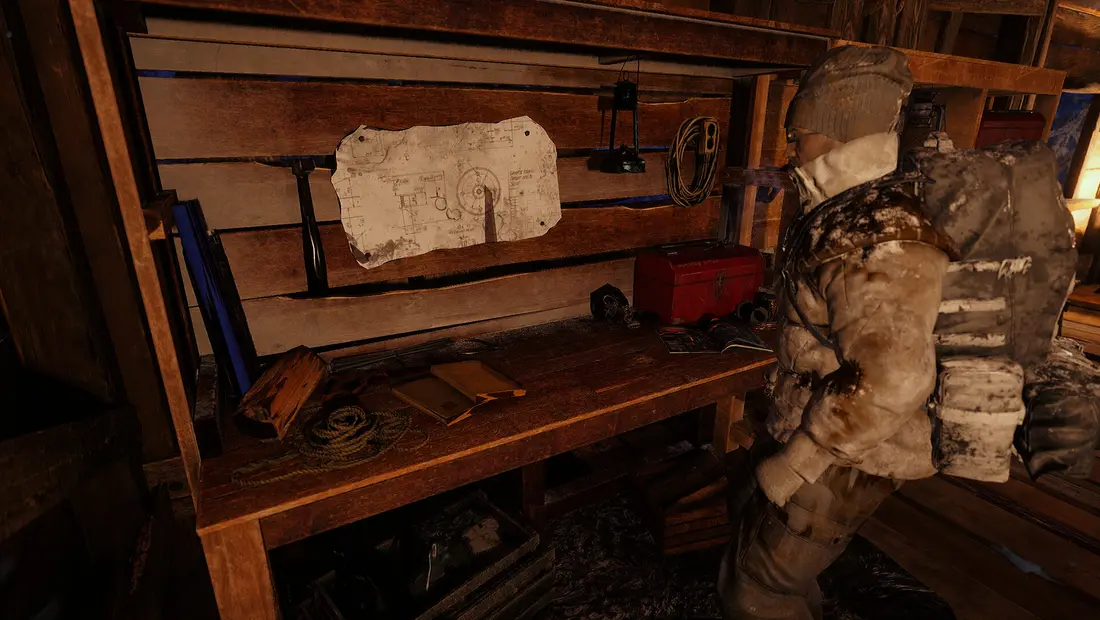
If fire and shelter are how you recover warmth, clothing is how you keep it. In Permafrost, cold-weather clothing is your first and most portable line of defense against the cold, and it is what makes long expeditions away from a heat source possible. Details here are expected based on developer material until the game is live.
Why clothing matters
The cold drains you constantly, and the rate depends heavily on what you are wearing. Good insulation slows that drain, directly extending how far you can travel and how long you can scavenge before you have to retreat to warmth. Without it, even a short trip into an exposed biome can turn deadly.
How layering works
Permafrost leans on a survival-craft approach where gear is scavenged and crafted, and warmth is built up in layers. Rather than one magic coat, you assemble protection from multiple pieces that stack their insulation. That makes clothing an ongoing project: you upgrade and patch your layers as you find better materials, gradually unlocking access to colder, more dangerous regions.
What to prioritize
Early on, prioritize covering the basics with whatever you can scavenge, then improve insulation before you attempt long crossings. As a rule of thumb:
- Insulation first. More warmth retained means more time outside.
- Repair and maintain. Worn gear protects less, so keep your layers in good condition.
- Match the route. Gear up for the worst weather you expect to face, not the weather you start in.
Clothing will not replace fire and shelter, but it is what lets you leave them behind long enough to bring something back.