
Permafrost Overhauls Its Opening Sequence: Analyzing the 'Signal #1' Update
SpaceRocket Games has revamped the crucial first minutes of Permafrost based on community feedback. We break down the new onboarding experience and early survival mechanics.
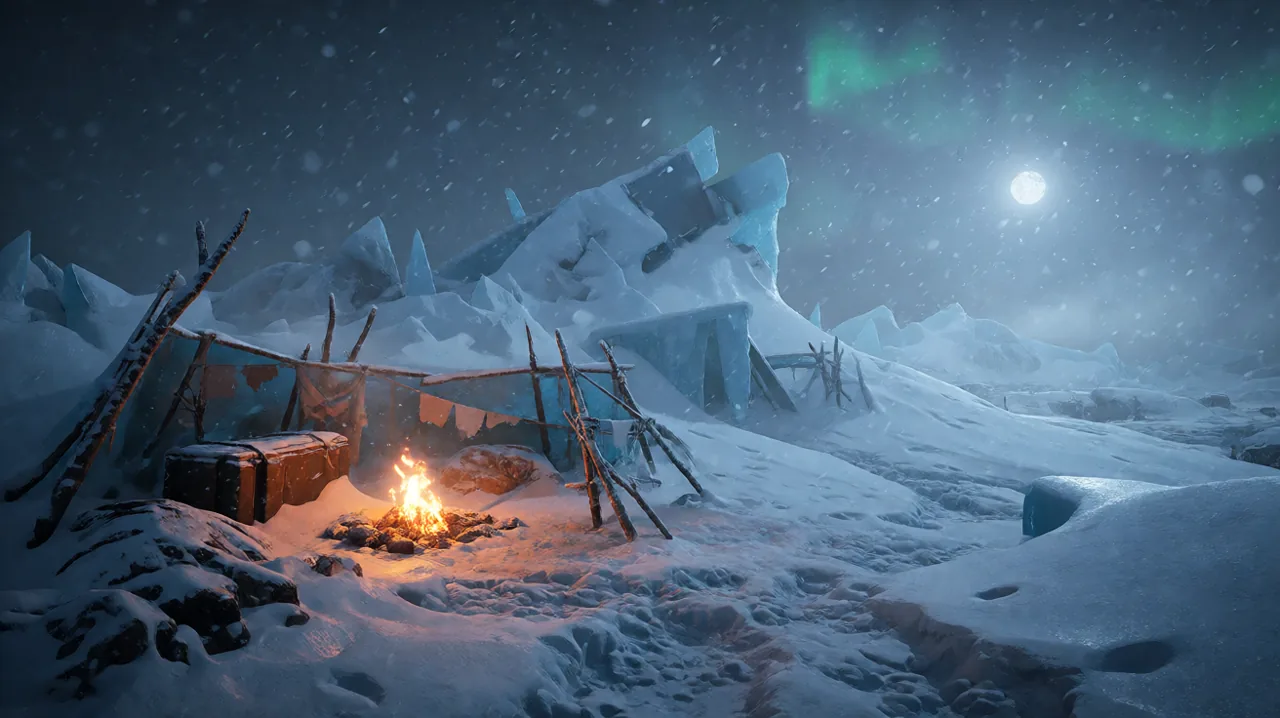
The build-up to the Early Access release of Permafrost is officially underway, and developer SpaceRocket Games has initiated a new series of developer updates to keep the community informed as the launch window approaches. Dubbed “Signal #1,” this latest communication directly addresses one of the most critical aspects of any survival game: the first impression. The studio has confirmed a significant overhaul to the opening minutes of the game, aiming to create a smoother, more impactful onboarding experience for players stepping into the frozen wasteland for the very first time.
The Importance of the First Impression
Survival games are notoriously difficult to balance in their opening hours. Drop the player into the world with too little information, and they freeze to death before understanding the user interface. Provide too many pop-up tutorials, and the atmospheric tension evaporates, replacing dread with annoyance. According to the recent Steam News post, SpaceRocket Games recognized this delicate balance during their recent testing phases.
They noted that the game’s introduction is “the part that most people will see and the part we get the most first-impression feedback about.” As a result, the opening segment has earned a “proper pass,” meaning it has been entirely refined to ensure the pacing, narrative hook, and mechanical instructions land perfectly. This focus on the initial moments is a promising sign for the title. When a game involves complex interconnected systems like core temperature management, shelter repair, and companion commands, the way these elements are introduced dictates the player’s long-term engagement. The developers clearly want to ensure that learning the ropes feels organic rather than punishing, setting the proper stage for the challenging survival loop ahead.
Narrative Onboarding: The Shattered Earth and the Radio Signal
Permafrost is heavily story-driven compared to standard sandbox survival builders. The overarching premise involves a cataclysmic event known as “The Shattering,” which literally fractured the moon and plunged Earth into a state of perpetual winter. Players take on the role of Rook, an engineer who receives a faint radio signal from a missing friend, prompting a desperate journey into the hostile outdoors.
The revamped opening sequence will reportedly lean heavily into establishing this grim setting and Rook’s core motivations. Before you are worrying about optimizing your base layout, the game needs to give you a compelling reason to step outside your initial safe zone. The updated intro is expected to seamlessly blend this narrative hook with basic movement and interaction controls. Establishing the characters and the stakes early on gives weight to the survival mechanics; you aren’t just surviving for the sake of a high score, but to unravel the mystery of that distant signal and discover the fate of your friend.
Learning to Survive: The Cold as the Primary Antagonist
The most immediate threat in Permafrost is not mutant wildlife or hostile factions, but the environment itself. The sub-zero temperatures are a constant, oppressive force. The “Signal #1” update explicitly states that the opening is where players will learn “the rules of how to survive the cold.”
This likely means a highly structured introduction to the body temperature system, frostbite mechanics, and wind chill factors. In earlier builds of survival games, players often suddenly find themselves freezing without fully grasping the UI indicators. The overhauled introduction is expected to provide clear, actionable feedback when Rook’s core temperature drops to dangerous levels. This might involve distinct visual cues on the edges of the screen, audio cues like shivering or heavy breathing, and clear introductory objectives directing the player to find shelter or ignite a makeshift heat source.
Understanding how to stay warm is the absolute foundation of the entire game. If the tutorial successfully conveys how different clothing layers, ambient weather conditions, and proximity to heat sources affect your survival chances, players will be much better equipped to explore further inland later on. For those looking to mentally prepare for these mechanics before Early Access begins, our beginner survival guide offers practical tips on managing your core temperature from day one.
The Role of the Dog Companion in Early Gameplay
One of the standout features of Permafrost is the dog companion, a loyal partner that aids in scouting, carrying supplies, and warning the player of approaching danger. While the exact timing of the dog’s introduction in the revamped opening remains unconfirmed by the developers, it is highly expected that players will meet their furry ally relatively early in the tutorial process.
The dog is not just a cosmetic pet; it is an integral part of the survival toolkit. The opening section will need to explain how to issue basic commands, manage the dog’s needs, and utilize its limited inventory space. Integrating the companion into the first 30 minutes adds emotional weight to the narrative while simultaneously teaching players how to rely on teamwork, even in a single-player session. A well-designed intro might task the player with finding scraps of food for the dog or using the dog’s heightened senses to locate a crucial piece of gear hidden under the snow.
Scavenging and the Initial Crafting Loop
Beyond the narrative setup and the immediate threat of the cold, the core loop of Permafrost revolves heavily around scavenging and crafting. The early minutes must introduce the player to resource gathering without overwhelming them with massive, complex crafting trees.
The revamped first minutes will likely guide players through finding basic materials like scrap metal, wood, and rudimentary tools. Because Rook is an engineer by trade, the ability to repair broken machinery and abandoned shelters is a key mechanic. The opening sequence is expected to feature a guided objective—perhaps repairing a broken generator or crafting a basic set of insulated gloves—to smoothly demonstrate the crafting interface.
This early progression is crucial for setting expectations. Players need to understand that every piece of junk scattered in the ruins has potential value. Constructing your first makeshift campfire or securing a dilapidated shack against a raging blizzard provides a necessary sense of accomplishment. If you want to look ahead at the broader construction mechanics, checking out our base building guide can give you a solid idea of how these simple early shelters eventually evolve into complex, interconnected outposts.
Visuals and Atmosphere in the Opening
The opening minutes are also where the game establishes its stark visual identity. Stepping out of a dark, claustrophobic area into the blinding white of a blizzard relies on strong environmental art and lighting to succeed. The developers have emphasized the haunting beauty of the Shattered Earth. The new intro will likely showcase the game’s dynamic weather systems immediately, forcing the player to navigate through reduced visibility and howling winds.
This immediate sensory impact is vital for grounding the player in the harsh reality of the permanent winter. Ensuring your PC hardware can handle these intense particle effects and dynamic lighting scenarios is important, so reviewing the system requirements before launch day is highly recommended to avoid stuttering during these cinematic opening moments.
Addressing Community Feedback
The fact that SpaceRocket Games explicitly mentioned “first-impression feedback” in their update indicates that they are actively listening to their playtesters. Early Access titles often live or die by their community relations and responsiveness. By acknowledging that the original opening wasn’t landing as intended and taking the time to rework it thoroughly before the public launch, the developers are showing a strong commitment to quality.
What might have been the pain points in earlier iterations? Often, survival games struggle with initial pacing. They either dump too many resources on the player immediately, making the survival aspect trivial, or they make the starting area so barren that players die repeatedly before figuring out what to do. The overhaul suggests a shift towards a much more balanced, guided experience that respects the player’s time while maintaining the brutal, unforgiving reality of the permanent frost.
Looking Ahead to Early Access
As we inch closer to the expected Early Access release date, updates like “Signal #1” provide highly valuable insight into the development process. The focus on polish, particularly on the segments that define the player’s initial connection with the game world, builds confidence in the final product.
The frozen world of Permafrost is designed to be unforgiving, but the journey into that world should be engaging from the very first second. With an improved intro that effectively communicates the narrative setting, character motivations, and harsh survival rules, players will be far better prepared to face the Shattered Earth.
We expect more “Signals” from SpaceRocket Games in the coming weeks, hopefully shedding light on other refined systems, cooperative play stability, and mid-game goals. Until then, you can catch up on all the confirmed features, lore, and mechanics in our everything we know hub. The ice is thick, and the nights are incredibly long, but with the right preparation and a solid understanding of the game’s core rules, surviving those crucial first few minutes is just the beginning of the adventure.