
Permafrost Signal 4 Update: Breaking Down the Level Art and Frozen Ambience
SpaceRocket Games recently detailed the Signal #4 update for Permafrost, highlighting new level art, snow accumulation, and environmental changes. Read our analysis.
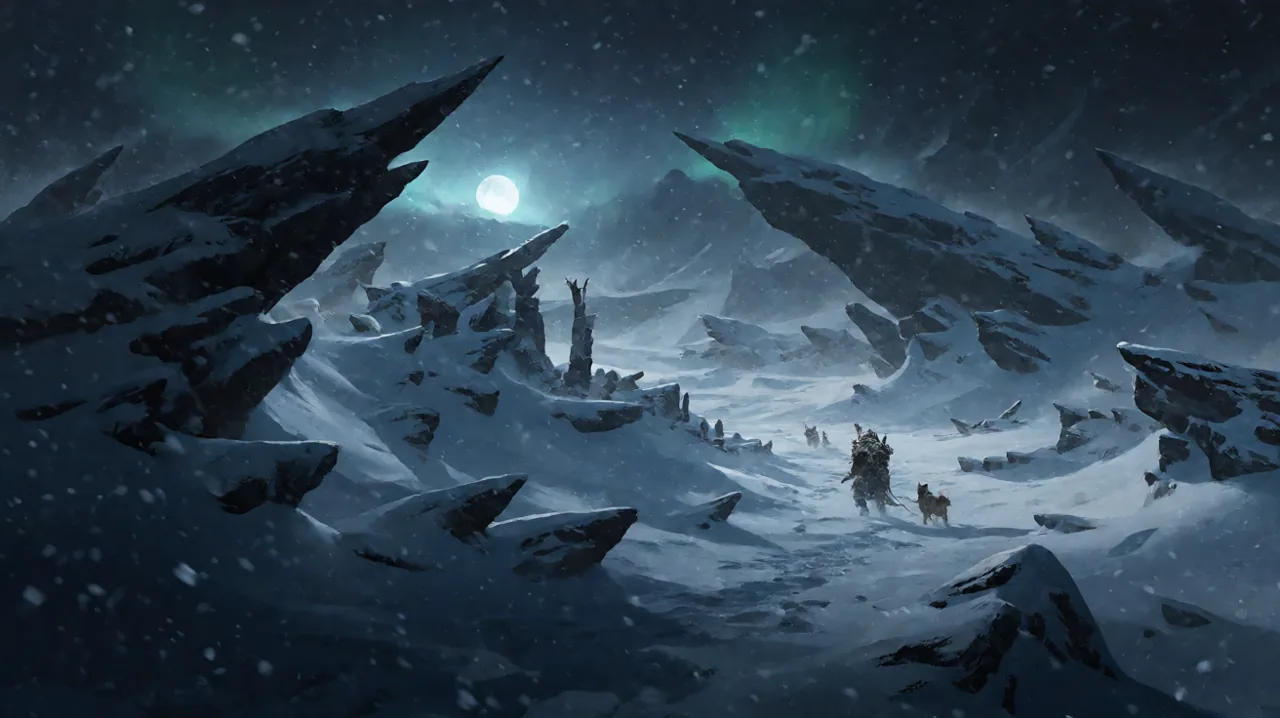
The recent release of the “Signal #4” update from SpaceRocket Games offers a brief but highly informative glimpse into the ongoing development of Permafrost. While previous community dispatches focused on sweeping narrative elements, community hubs, or character introductions, this latest update specifically highlights the game’s level art and environmental design. Coupled with a recent promotional message from publisher Toplitz Productions emphasizing that “Nature itself is your strongest enemy,” it is evident that the development team is doubling down on making the frozen wasteland as visually intimidating as it is mechanically unforgiving.
In this breakdown, we examine the subtle yet significant changes showcased in the Signal #4 update, exploring how the addition of deeper snow, adjusted terrain, and a refined “frozen ambience” will likely shape your survival strategies once the game launches into Early Access.
Decoding Signal #4: The Impact of Level Art
For a game set on a post-apocalyptic Earth following a cataclysmic lunar event known as “The Shattering,” the environment cannot merely serve as a passive backdrop; it acts as the primary antagonist. The Signal #4 update explicitly notes that the team has been heavily revisiting and updating various micro-locations across the open-world map.
The developers stated directly to the community: “More snow here, different boulders there, small changes that add up to create the frozen ambience of Permafrost.”
While these might initially sound like minor cosmetic adjustments, in a physics-driven survival crafting game, level art fundamentally dictates the flow of gameplay. The placement of a massive boulder, the topography of a valley, and the density of a snowbank directly influence where you can travel safely, where you can hide from an impending blizzard, and where you might successfully establish a temporary shelter network. The fact that the studio is currently engaged in this type of granular polish phase suggests they are hand-crafting these locations to ensure the map feels organic, punishing, and deeply atmospheric.
The Threat and Tactical Value of “More Snow”
The specific mention of adding “more snow” to the environment is intriguing when viewed through a mechanical lens. In standard open-world titles, snow is frequently just a flat white texture mapped over standard terrain geometry. However, in Permafrost, we anticipate that snow accumulation will play a significant, tangible role in traversal and core survival.
Navigational Friction and Stamina
If the updated level art includes deeper, more physically realized snowdrifts in specific valleys or along forest paths, this will naturally force players into making difficult navigational choices. Trudging through deep snow is expected to rapidly deplete stamina and significantly increase the rate at which your core body temperature plummets. When playing as Rook, navigating these snow-choked routes will likely require careful stamina and resource management, particularly if you are hauling heavy salvage back to your primary shelter. Choosing the path of least resistance will become a vital skill.
The Role of Your Dog Companion in the Snow
This environmental complexity is exactly where your dog companion becomes indispensable. A beautifully rendered snowy landscape often hides lethal hazards beneath its surface—hidden crevasses, thinly frozen bodies of water, or uneven, ankle-breaking terrain. While the visual update makes the snow look more immersive, we expect that your canine partner will be essential for scouting ahead. The dog’s ability to warn you of environmental dangers obscured by the newly added snow could mean the difference between a successful scavenging run and an early, freezing demise.
Boulders, Terrain, and Natural Windbreaks
The Signal #4 update also highlights the implementation of “different boulders” across the landscape. Once again, this is not merely about making the rocks look visually distinct. In the relentless cold of the Permafrost universe, wind is an absolute killer. The wind chill factor is designed to drastically accelerate the onset of frostbite and hypothermia, making exposure incredibly dangerous.
Utilizing Natural Cover
The strategic placement of larger, more varied rock formations provides vital natural windbreaks. When you are inevitably caught out in the open during a sudden whiteout or blizzard, finding a cluster of massive boulders will offer critical shelter. Players will need to read the terrain, huddle behind these formations to block the lethal wind, construct a makeshift fire, and wait out the storm. The updated level art means these geographical features will look more natural while serving a critical gameplay function.
Implications for Shelter Construction
Furthermore, the updated boulder models and terrain geometry will heavily influence permanent base construction. When laying the foundation for your shelter network, you will want to utilize these natural rock formations to anchor your walls and shield your generators from the prevailing winds. For more detailed strategies on how to utilize terrain when constructing your safe havens, be sure to review our base-building-guide. The geographical changes highlighted in Signal #4 indicate that scouting for the perfect, environmentally protected location will be more rewarding than ever.
”Nature Itself is Your Strongest Enemy”
Coinciding with the level art update, Toplitz Productions recently circulated promotional material reminding the community of the game’s core ethos: nature is the ultimate adversary. Unlike many contemporary survival games where zombies, mutants, or rival heavily-armed human factions eventually dominate the late-game experience, Permafrost reportedly remains firmly grounded in the endless struggle against the elements themselves.
This philosophy is perfectly reflected in the Signal #4 art pass. By refining the visual fidelity of the snow and rock formations, the developers are enhancing the psychological weight of the environment. The “frozen ambience” they mention is about creating a palpable sense of isolation, dread, and cold. When the shattered remnants of the moon hang in the sky and the wind howls through the newly detailed boulders, the player should feel small, vulnerable, and entirely at the mercy of the frozen wasteland.
The Synergy of Art and Survival Mechanics
Every visual update in a survival game serves to reinforce its underlying mechanics. The frost creeping across your UI, the blinding visual density of a snowstorm, and the stark, jagged outlines of the terrain are all intentionally designed to communicate danger. The better the environment looks, the more clearly it can telegraph threats to the player. If a canyon looks impossibly cold, shadowed, and choked with deep snow, the visual art is effectively warning you to turn back unless you are fully equipped with top-tier thermal gear.
Traversing the Wastes in Co-Op
While surviving alone as Rook offers a deeply isolating experience, the game also supports 1-4 player co-op. The updated level art and increasingly complex terrain will significantly alter how groups navigate the map together.
When playing with friends, denser snow and more varied rock formations mean that clear communication will be paramount. A single player scouting ahead might easily get separated from the group by a sudden change in elevation or an unexpected snowdrift. Conversely, a coordinated group can utilize the complex terrain more effectively. One player might focus on climbing a newly detailed rocky outcrop to secure a vantage point and spot abandoned facilities, while the others establish a temporary camp sheltered behind the boulders below.
Performance and Visual Fidelity
A common concern when developers announce that they are adding more environmental clutter to an open-world game is the potential impact on system performance. Survival games require stable framerates; a sudden hardware stutter during a blizzard can easily lead to a fatal mistake.
However, the fact that SpaceRocket Games is openly showcasing these level art improvements suggests a strong level of confidence in their engine optimization. The goal of this art pass is to enhance the atmosphere without compromising the fluidity of the core gameplay loop. We expect that the team is balancing these visual upgrades with strict performance targets, ensuring that the icy apocalypse runs smoothly across a variety of hardware configurations. If you are curious about hardware demands, you can review our thoughts on the expected permafrost-system-requirements.
Looking Ahead to Early Access
The nature of the Signal #4 update indicates that SpaceRocket Games is heavily invested in the granular polishing phase of development. Shifting focus away from major system overhauls to highlight the minute details of environmental art suggests that the world map layout is largely locked in, and the team is now striving to maximize immersion.
For a broader overview of everything we currently know about the game’s mechanics, setting, and development timeline, check out our comprehensive everything-we-know overview. As the developers continue to shape this frozen world piece by piece, boulder by boulder, and snowdrift by snowdrift, we will keep a close eye on how these artistic choices translate into brutal survival realities.