
Permafrost Early Access Delayed to October 9: Extra Polish for the Endless Winter
SpaceRocket Games has pushed the Permafrost Early Access release date to October 9, 2026. Here is why the developers are taking more time to polish the frozen wasteland.
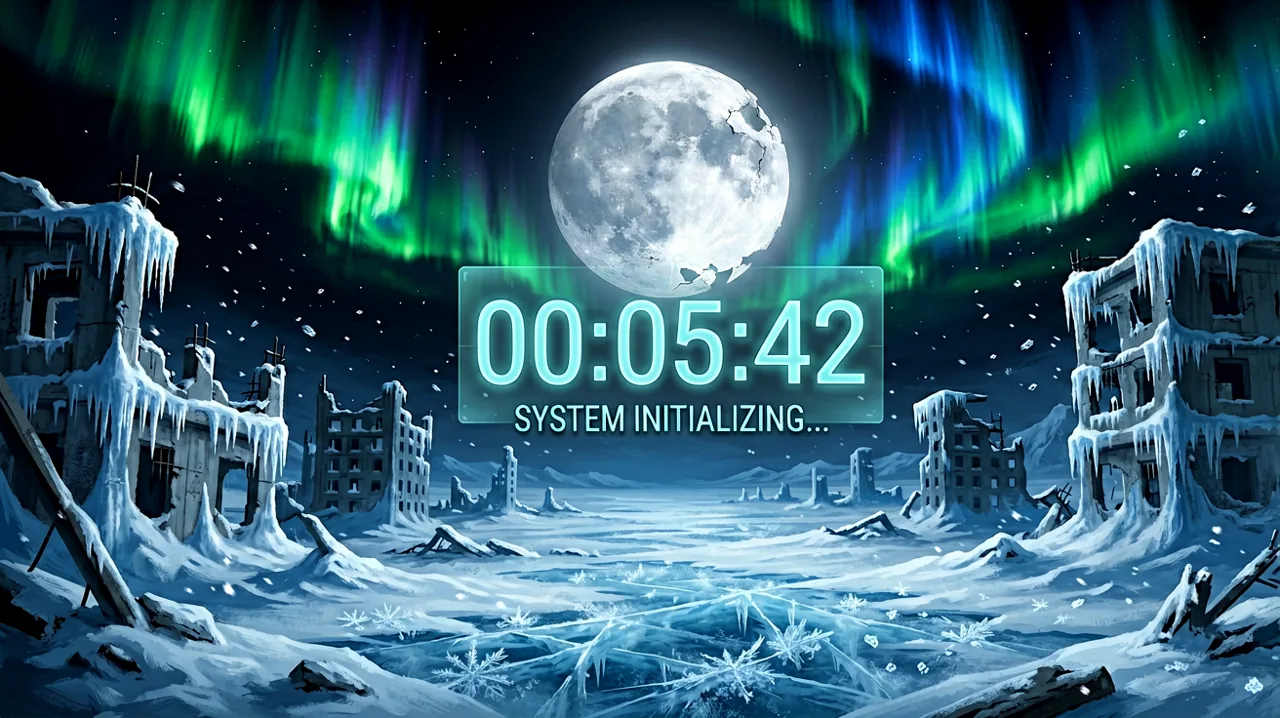
The much-anticipated plunge into the frozen apocalypse has been postponed. Originally slated for an August 21 launch, developer SpaceRocket Games and publisher Toplitz Productions have officially announced that Permafrost will now enter Steam Early Access on October 9, 2026. While the news of a delay might disappoint players looking to escape the summer heat with some sub-zero survival action, the development team has laid out clear, encouraging reasons for pushing the release back by roughly six weeks.
In this harsh near-future reality where the cataclysmic “Shattering” destroyed the moon and plunged the Earth into an eternal winter, every detail matters. Survival is not just about managing a health bar; it is about enduring relentless blizzards, avoiding frostbite, and scavenging enough scraps to see tomorrow. Because the stakes are so high, the developers want to make sure the mechanics reflecting these struggles are as smooth as possible.
The Official Statement: Serving It Up Cold
In an update shared via the game’s Steam community news page, the developers addressed the community directly. Their message was straightforward: they want the experience to be exactly what players deserve from the very first moment they step out into the cold. Rather than rushing the product out the door to meet the original August deadline, SpaceRocket Games has opted for a brief extension. As they aptly put it, they would rather “let it chill a bit longer than serve up something half-frozen.”
This decision highlights a growing and welcome trend in the PC gaming space, particularly within the survival and base-building genres. We have seen far too many ambitious titles launch prematurely into Early Access, only to be met with mixed reviews due to technical hiccups, broken pathfinding, and unpolished mechanics. By taking this extra time, the studio aims to ensure that the core loop—scavenging, crafting, maintaining body heat, and surviving the bitter elements—feels solid on day one.
Breaking Down the Polish Phase
So, what exactly is the team working on during this extended development window? The announcement specifically highlighted a few key areas: character and animal animations, behavioral systems, lighting, and various smaller details. Let us examine why these specific elements are so crucial to the overall Permafrost experience.
Refining Animal Behavior and Animations
In a world encased in perpetual winter, wildlife is both your greatest resource and a significant threat. Animals in Permafrost are not just background dressing; they are essential for your survival. You will be tracking them for meat to stave off starvation and harvesting their pelts to craft heavy cold-weather gear to prevent frostbite.
If animal animations are stiff or their pathfinding is broken, it completely shatters the immersion. A predator glitching through a snowdrift or a deer sliding across the ice ruins the tension of a careful hunt. The developers are taking this time to ensure that the fauna behaves realistically.
This polish phase also heavily impacts your canine companion. As a solo player—or even in a co-op group—your dog is your lifeline. This faithful companion acts as an early warning system for danger, helps scout the desolate environment, and carries vital supplies when your own inventory is overflowing with scrap. Ensuring the dog’s animations are fluid and its AI is responsive will make the bond between the player and their pet feel genuine. A companion that gets stuck on terrain or fails to visually react to an approaching blizzard can quickly become a frustration rather than a helpful feature. If you want to learn more about the basics of staying alive and managing resources alongside your dog, you can read our beginner survival guide.
Lighting the Eternal Winter
The next major area of focus is lighting. In a setting defined by sub-zero temperatures and blinding blizzards, lighting does more than just make the game look visually appealing; it serves as a critical gameplay mechanic. When you are caught in a whiteout snowstorm, the faint glow of a flare or the distant flicker of your shelter’s fire might be the only thing guiding you to safety.
Furthermore, exploring derelict buildings, abandoned bunkers, and frozen urban ruins requires functional and atmospheric lighting to build suspense. The game needs to accurately render the harsh glare of the sun on a clear ice field, as well as the deep, terrifying shadows of a ruined structure where the cold—or something worse—might be lurking.
Proper lighting also visually communicates temperature. Managing your body heat is arguably the most persistent challenge in the game. The warm, inviting glow of a freshly built campfire needs to contrast sharply with the sterile, blue hues of the deadly frost outside, giving players immediate visual feedback about their thermal status before the frostbite sets in.
Polishing the Smaller Details
The final point mentioned in the delay announcement was the refinement of “smaller details.” While vague, in the context of an open-world survival game, this usually refers to the friction points that players encounter minute-to-minute. This could involve tweaking the inventory UI so it is easier to manage your gear when your character is freezing to death, or improving the feedback loop when crafting new survival tools at a workbench.
Base building is a huge component of the mid-to-late game, as players are tasked with establishing and connecting a network of shelters. A major part of this involves repairing old machinery and renovating abandoned facilities scattered across the frozen map. If the building or repair systems are frustrating to use, players will quickly abandon their architectural plans. Taking a few extra weeks to smooth out the placement of walls, generators, and crafting stations—especially on uneven, snowy terrain—is time well spent. For those looking to plan their shelter layouts early, check out our base building guide.
What This Means for Co-op and the Roadmap
Permafrost is expected to remain in Early Access for at least 12 months following its launch. The initial release is just the foundation, but that foundation needs to be strong enough to support a year or more of continuous updates, feature additions, and community feedback integration.
By shifting the release to October 9, SpaceRocket Games is positioning themselves to gather feedback on a much cleaner build. When players are not distracted by jarring animation bugs or lighting glitches, they can provide more constructive feedback on the actual game balance. Are the freezing mechanics too punishing? Is food too scarce in the early hours? Is the progression from primitive tools to advanced machinery satisfying? These are the questions the developers want the community to answer, and they can only get those answers if the core mechanics are functioning as intended.
The delay also impacts how players will approach the cooperative experience. The game supports 1-4 players in co-op mode. Multiplayer introduces a whole new layer of complexity to animations and networking. Synchronizing the movements of four players, multiple dogs, and aggressive wildlife across a connection is notoriously difficult. The extra polish phase will likely involve stress-testing these multiplayer interactions to ensure desync issues do not ruin a hunting expedition or a crucial shelter-building session. If you plan on tackling the frozen wastes with friends, you can review our co-op survival basics to coordinate your roles ahead of time.
Preparing for the October Launch
As we adjust our calendars for October 9, there is plenty to do in preparation for the harsh conditions of The Shattering. While August would have been nice, October arguably fits the thematic tone of the game much better. As the real-world weather begins to cool down in the Northern Hemisphere, players will be booting up their PCs to face a digital winter.
During this waiting period, we expect the developers to share more behind-the-scenes looks at the improvements they are making. We might see comparison videos showing the updated animal animations, or developer blogs detailing how the new lighting engine handles blizzards.
In the meantime, you should make sure your gaming rig is ready to handle the demanding weather effects and open-world rendering. Head over to our system requirements overview to see if you need an hardware upgrade before launch. You can also catch up on all the confirmed features, lore snippets, and game mechanics in our detailed Everything We Know hub.
Final Thoughts
Delays are a standard part of the modern gaming industry, and while they can momentarily deflate the hype, they are almost always beneficial for the final product. SpaceRocket Games is making a smart, if difficult, call. The frozen wastes of Permafrost are harsh and unforgiving, but the gameplay experience itself should not be. By dedicating more time to polish, the development team is ensuring that when we finally step out into the eternal winter this October, the only thing that will be punishing is the cold itself, not the bugs.
Stay tuned to our Wiki for any further updates, patches, or developer interviews as we inch closer to the new October 9 Early Access release date. Use this extra time to plan your survival strategy, keep your gear packed, keep your dog close, and stay frosty.