
Permafrost Steam Playtest Open for Sign-Ups: Grounded Survival in a Shattered World
SpaceRocket Games has opened Steam Playtest sign-ups for Permafrost. Discover why this grounded, frostbitten survival sandbox is skipping magic and endless shootouts to focus on pure, atmospheric endurance.
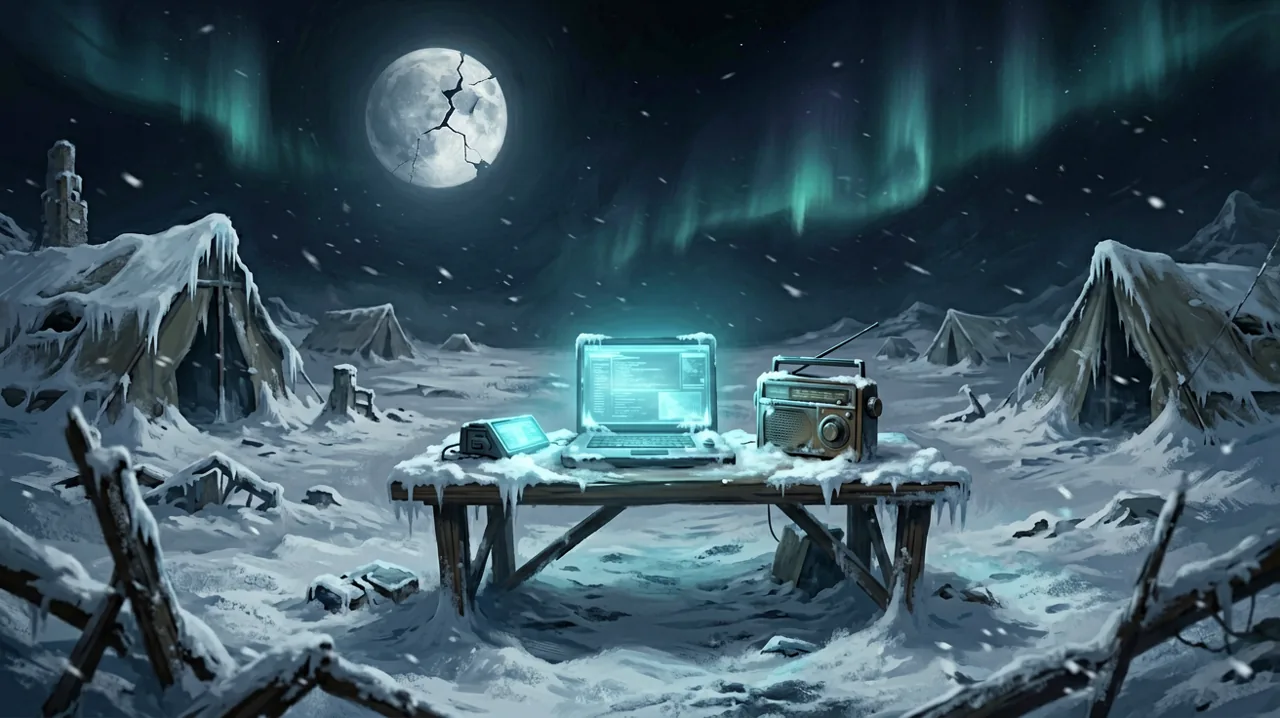
The survival genre is often saturated with undead hordes, mutant monstrosities, or high-octane firefights. However, developer SpaceRocket Games and publisher Toplitz Productions are charting a starkly different course with their upcoming title, Permafrost. Following the recent confirmation that the Early Access launch is set for October 9, 2026, across Steam, GOG, and the Epic Games Store, the community has received another crucial update. The official Steam Playtest for Permafrost is now open for sign-ups, offering players a chance to experience the frigid wasteland months before its official release.
For those eager to step into the boots of Rook—an engineer navigating a near-future Earth plunged into an eternal winter after a cataclysm known as “The Shattering” destroyed the moon—this playtest represents the first hands-on opportunity to endure the game’s brutal climate. But perhaps the most compelling detail emerging from recent community discussions and translated international materials is the developers’ absolute commitment to a grounded, realistic survival sandbox. There are no magical spells to cast, no supernatural beasts to hunt, and no endless, arcade-style shootouts. Instead, your primary adversary is the biting, relentless cold itself.
In this article, we will examine how to gain access to the upcoming playtest, analyze the newly highlighted mechanics, and explore how the focus on urban scavenging, technological restoration, and survivor factions shapes this frozen world. If you are preparing for the test, be sure to review our everything we know overview to get up to speed on the lore of The Shattering.
How to Join the Steam Playtest
Gaining access to the Permafrost playtest is a straightforward process, but it requires a degree of patience. The playtest is being hosted exclusively on Steam (App ID 2254990). To throw your hat in the ring, you must navigate to the official Permafrost Steam store page. Beneath the main purchase and wishlist widget, you will find a distinct section dedicated to the Playtest. Simply click the green “Request Access” button.
Once you have requested access, your account is placed into a virtual queue. SpaceRocket Games will reportedly be admitting players in waves as they prepare the servers and stabilize the build for broader testing. When the development team is ready to accept more participants, you will receive an automated email notification from Steam, and the Permafrost Playtest client will appear directly in your Steam library, ready to install.
This testing phase is crucial for the developers to gather authentic player feedback on core systems such as resource balancing, the punishment of the weather mechanics, and the stability of the co-op multiplayer architecture. Because the game supports seamless drop-in, drop-out cooperative play for up to four survivors, stress-testing the network infrastructure under heavy load is likely a high priority for the team. We highly recommend braving the wastes with friends if you are selected; you can check out our co-op guide for tips on surviving the frostbite as a unit.
A Grounded Approach: Survival Without the Fantasy
One of the most striking details highlighted in recent community breakdowns—particularly within European survival communities who noted the game’s robust language support, including full French interfaces and subtitles—is the deliberate design choice to eschew over-the-top fantasy elements. Permafrost is explicitly described as a realistic survival sandbox.
In many contemporary survival titles, the environment eventually becomes a mere atmospheric backdrop once the player crafts enough firearms, quickly devolving the game into a persistent deathmatch. Permafrost intends to keep the environmental threat at the forefront from day one until day one hundred. The cold is not just a temporary status effect you cure with a single consumable bandage; it is a pervasive, ever-present killer. Frostbite can cripple your movement speed and dexterity, sudden blizzards can blind you and bury your visual landmarks, and a plunging core body temperature will lead to swift, unavoidable hypothermia.
By removing mythical creatures and minimizing the focus on constant gunplay against rival players, the game forces you to engage deeply with its simulation mechanics. Every expedition out of your base requires meticulous planning and risk assessment. Do you have enough calories for the trek? Is your clothing sufficiently insulated against the incoming storm front? Does your trusty dog companion have enough stamina to carry the extra scavenged supplies on the return trip?
Your canine companion is also subject to these realistic rules. Unlike immortal pets in other games, your dog is a living, breathing ally that requires genuine care. They can carry vital supplies on their back and use their keen senses to warn you of incoming blizzards or hidden environmental dangers, but they also require food, warmth, and rest. Managing your companion’s well-being is intrinsically tied to your own survival; losing your primary scout in a whiteout condition could mean the difference between life and death. This realistic approach means that finding a simple can of un-frozen soup or a working thermal heater is far more triumphant than looting a high-tier assault rifle. If you are new to this style of unforgiving gameplay, brush up on the basics with our beginner survival guide.
Restoring Technology in Urban Ruins
As Rook, you are not just a random, hapless survivor; your background is rooted in engineering. This profession is not merely narrative flavor; it directly dictates the gameplay loop and your methods of interacting with the world. The map of Permafrost features both sprawling, untouched snowy wilderness and the haunting, ice-encased ruins of near-future cities.
Scavenging in these urban environments goes far beyond picking up loose scrap metal, cloth, and wood. Players will be explicitly tasked with finding, repairing, and restoring complex machinery. The civilization that existed before the moon shattered left behind a wealth of advanced technology that has since frozen over and fallen into disrepair. Restoring local power grids, fixing abandoned vehicles for faster traversal, and bringing dead machinery back to life is central to establishing a permanent, sustainable foothold in the wasteland.
This technological focus suggests a deep and rewarding progression system that rewards brainpower over firepower. Instead of simply crafting sharper axes or bigger clubs, you will be retrofitting heavy generators, wiring electrical systems to physically heat your structures, and perhaps even restoring automated infrastructure to keep the brutal elements out. The engineering aspect elevates the standard crafting loop, requiring players to think critically about resource management, power distribution, and mechanical maintenance.
The Role of Factions in a Shattered World
While the sub-zero environment is undeniably your worst enemy, you are not entirely alone in the snow. Beyond your canine companion and your co-op partners, the frozen landscape is populated by various survivor factions. The introduction of a faction system in a narrative-driven survival sandbox adds a fascinating layer of sociopolitical tension to the experience.
Currently, the exact nature, size, and motives of these factions remain unconfirmed by the developers, but their presence in a “realistic” setting suggests complex interactions. Without the constant threat of mindless zombies to unite against, human NPCs take on much more nuanced roles. Some factions might control vital, immovable resources, such as an intact geothermal plant, a fortified subway station, or a massive stockpile of pre-Shattering medical supplies. Others might simply be hostile, territorial scavengers, driven to violent desperation by the endless winter.
Navigating these factions will likely require a careful mix of diplomacy, bartering, and, when absolutely necessary, tactical self-defense. The core narrative hook of the game—Rook venturing out into the deadly cold following a mysterious radio signal from a lost friend—heavily hints that these factions might hold the key to uncovering the truth of what happened in the days immediately following The Shattering. Players will need to decide who to trust, who to trade with, and who to avoid entirely when charting their course across the ice.
Building a Shelter Network
Survival in Permafrost cannot be sustained indefinitely by a single, isolated cabin in the woods. As you explore further afield in search of your missing friend and better technology, the biting cold and the vast distances will force you to construct a connected network of shelters.
This mechanic fundamentally changes how you approach base building. Instead of hoarding all your resources to build one massive, impenetrable mega-fortress, you must strategically place small, efficient waystations across the map. These outposts serve as vital lifelines where you can thaw out, sleep out a multi-day blizzard, and store emergency caches of food and fuel. Planning the logistics of these travel routes—ensuring each shelter is adequately stocked before you push further into the unknown—becomes a strategic game of its own.
Connecting these shelters effectively will require a deep understanding of the terrain, elevation, and weather patterns. A well-placed shelter near a ruined urban center allows for extended, multi-day scavenging runs into the concrete jungle, while an outpost near a frozen lake might serve as your primary hunting, fishing, and water-melting camp. For a deep dive into constructing structurally sound and properly insulated outposts, be sure to study our comprehensive base building guide.
Looking Ahead to the Early Access Launch
The opening of the Steam Playtest is a massive milestone for Permafrost. It signals that SpaceRocket Games is confident enough in their core mechanics to subject them to the unpredictable, chaotic nature of mass player testing. While the full Early Access launch remains scheduled for October 9, 2026, those lucky enough to gain entry into the playtest will act as the vanguard, directly helping to shape the game’s balance and development over the crucial coming months.
As we wait for the acceptance emails to roll out, now is the perfect time to double-check your PC hardware against the system requirements and ensure you are prepared for the sudden drop in temperature. Permafrost is shaping up to be a uniquely harrowing experience—one that purposefully trades the explosive, fast-paced action of its peers for a quiet, deadly, and deeply atmospheric struggle against nature itself. We will be diving into the playtest as soon as access is granted, bringing you the latest strategies, maps, and survival tips straight from the frozen frontlines. Stay warm, engineers.