
Permafrost Reverts to Original Visual Identity Following Community Feedback
Following player feedback during the Early Access launch window, SpaceRocket Games is bringing back the original grim visual style to Permafrost.
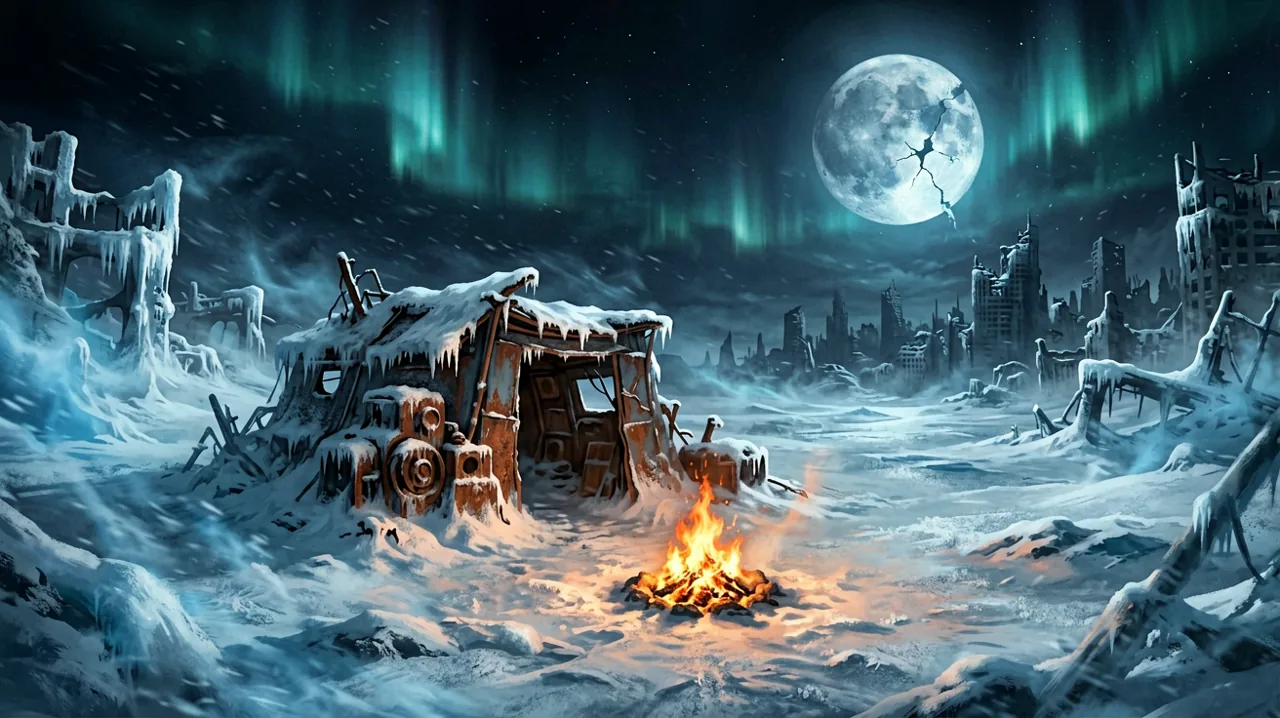
SpaceRocket Games Rolls Back Controversial Visual Changes
On August 24, developer SpaceRocket Games and publisher Toplitz Productions issued a short but significant update via the Permafrost Steam community hub. Following the game’s recent entry into Early Access on August 21, the team had experimented with a revised visual identity for the game’s storefront and promotional assets. This newly introduced artistic direction was met with immediate resistance from the core player base, who felt the updated art failed to capture the oppressive, desperate tone of the survival game they had been following.
Within days of the feedback pouring into the forums and Discord channels, the developers published a statement acknowledging the misstep: “Survivors! Your feedback has been loud and clear, so we’re switching back to the visual you know and love. Thank you for speaking up and helping us shape the game.” This rapid course correction demonstrates a remarkably high level of community engagement, but it also raises an interesting discussion about why the original, grimmer visual presentation is so essential to the overall Permafrost experience.
The Shattering and the Importance of Tone
To understand the community’s strong attachment to the original aesthetic, one must look closely at the narrative foundation of Permafrost. The game is set in the near future, following a catastrophic apocalyptic event known in-game as “The Shattering.” The moon has been fractured into pieces—a cataclysm that completely destabilized the Earth’s climate and plunged the planet into an eternal, inescapable winter. You step into the shoes of Rook, an engineer who is drawn out into this hostile, frozen wasteland by a mysterious radio signal originating from a missing friend.
This setting is not meant to be a lighthearted winter wonderland; it is a harrowing struggle against an environment that actively wants to kill you at every turn. The original key art perfectly communicated this premise to prospective players. It utilized stark contrasts, deep shadows, and a muted, freezing color palette to convey the sheer hopelessness of the situation. When the promotional materials briefly shifted to a style that players deemed too bright, vibrant, or generic, it caused an immediate thematic disconnect. Survival enthusiasts want the marketing material to serve as an accurate warning label. The bleak visuals act as a promise that the gameplay will be unforgiving, demanding, and intensely atmospheric.
Surviving the Environment: Mechanics Reflected in the Art
The community’s insistence on maintaining a grim visual identity stems directly from the moment-to-moment gameplay loop. In Permafrost, the cold is your primary, ever-present antagonist. The freezing temperatures are significantly more dangerous than any hostile wildlife you might encounter in the snow-covered woods. The mechanics built around temperature management are intricate, punishing, and require constant attention. Players must perpetually monitor their core body temperature. Stepping out of a heated zone without adequate thermal protection causes your temperature gauge to plummet rapidly. If it drops too low, you begin to suffer from severe frostbite, a condition that permanently reduces your maximum health and stamina until it is properly medically treated.
The original artwork regularly depicted survivors heavily bundled in multiple layers of scavenged clothing, huddled desperately against the freezing wind. This visual representation matches exactly how you spend your early hours in the game. Crafting basic insulated gear from scraps of fabric and animal hides is your first major progression hurdle. You are entirely dependent on finding or crafting reliable heat sources before the sun goes down. Blizzards can roll in dynamically, drastically reducing your visibility and accelerating the rate at which your character freezes to death. When a whiteout hits, the game transforms into a desperate scramble to find shelter. The darker, grittier visual style respects the sheer lethality of these mechanics, visually reinforcing the brutal rule that in this post-Shattering world, warmth is the single most valuable currency. For players currently struggling to manage these complex systems early on, our Beginner Survival Guide covers the essential steps for stabilizing your core temperature during your first few perilous days.
Establishing and Connecting Shelters
Another fundamental aspect of the game that the original aesthetic highlights perfectly is the gritty nature of the bases you build. Because your character, Rook, is an engineer, you possess the unique ability to repair abandoned machinery and construct complex shelter networks. However, these bases are rarely clean, cozy wooden cabins. They are makeshift, rusted fortresses assembled entirely from the detritus of a fallen civilization. You spend your time patching holes in ruined buildings, rigging up noisy diesel generators, and jury-rigging unreliable heating systems just to keep the frost at bay for one more night.
The darker visual tone perfectly suits this form of desperate, post-apocalyptic architecture. When you look at the classic Permafrost artwork, you see rusted metal, frosted glass, and the harsh, utilitarian glow of industrial work lights casting long shadows against the snow. It feels earned and authentic. The gameplay loop requires you to venture out on foot or drive vehicles into the dangerous unknown, scavenge for specific mechanical components, and return home to upgrade your base’s thermal efficiency. Eventually, you can connect multiple disparate shelters to form a sprawling network of safe zones across the map. This system is highly complex and resource-intensive; for those looking to optimize their architectural layouts, we recommend consulting our Base Building Guide. The grit present in the game’s original visuals mirrors the sheer grit required by the player to construct these lifelines in the ice.
The Engineer and the Dog Companion
You are not entirely alone in the frozen wastes, and the game’s visuals heavily emphasize this. The original visual identity frequently centered on the emotional and practical bond between Rook and the canine companion. This relationship is far more than mere narrative dressing; it is a vital, integrated gameplay mechanic. Your dog is an indispensable asset for your continued survival.
Mechanically, the dog serves multiple crucial functions. It acts as a highly sensitive early warning system, barking to alert you to environmental hazards, weak ice, or approaching predatory wildlife long before you can spot them through the thick snowfall yourself. The dog also features its own dedicated carrying capacity, acting as a reliable pack animal to help you haul vital supplies, heavy scrap metal, and harvested meat back to your shelter network. The original art captured this reliance beautifully, showing a partnership born out of sheer necessity in a dead world. When you are venturing far from your established camps, knowing your dog is right there beside you to help shoulder the burden of heavy machinery parts makes the terrifying, empty landscape feel slightly less isolating.
A Positive Sign for the Early Access Roadmap
The incredibly swift resolution of this visual identity debate is a highly encouraging sign for the long-term lifespan of Permafrost. The developers have publicly stated that the game is expected to remain in its Early Access phase for 12 months or more. During this extensive development period, player feedback will act as the primary driving force behind weapon balance changes, mechanical overhauls, and massive content additions.
By actively listening to their community and willingly reverting a controversial marketing change in a matter of days, SpaceRocket Games has proven that they value their core audience’s input over their own internal experiments. As we look ahead to future game updates—whether they involve expanding the multiplayer functionality (you can read more about surviving with friends in our Co-Op Guide), introducing new drivable vehicles, or deepening the crafting system—players can rest assured that their voices will actually be heard. The visual aesthetic has officially returned to the grim, freezing reality we all signed up for, and a solid foundation is set for a phenomenal survival experience. Stay warm out there, and never venture out without a reliable heat source.