
Permafrost Signal #8 Update: Unpacking the Bone Cave Overhaul and New Predator Threats
SpaceRocket Games reveals a massive overhaul to the Bone Cave in Permafrost. Discover what the new terrifying 'permanent resident' means for your frozen survival strategy.
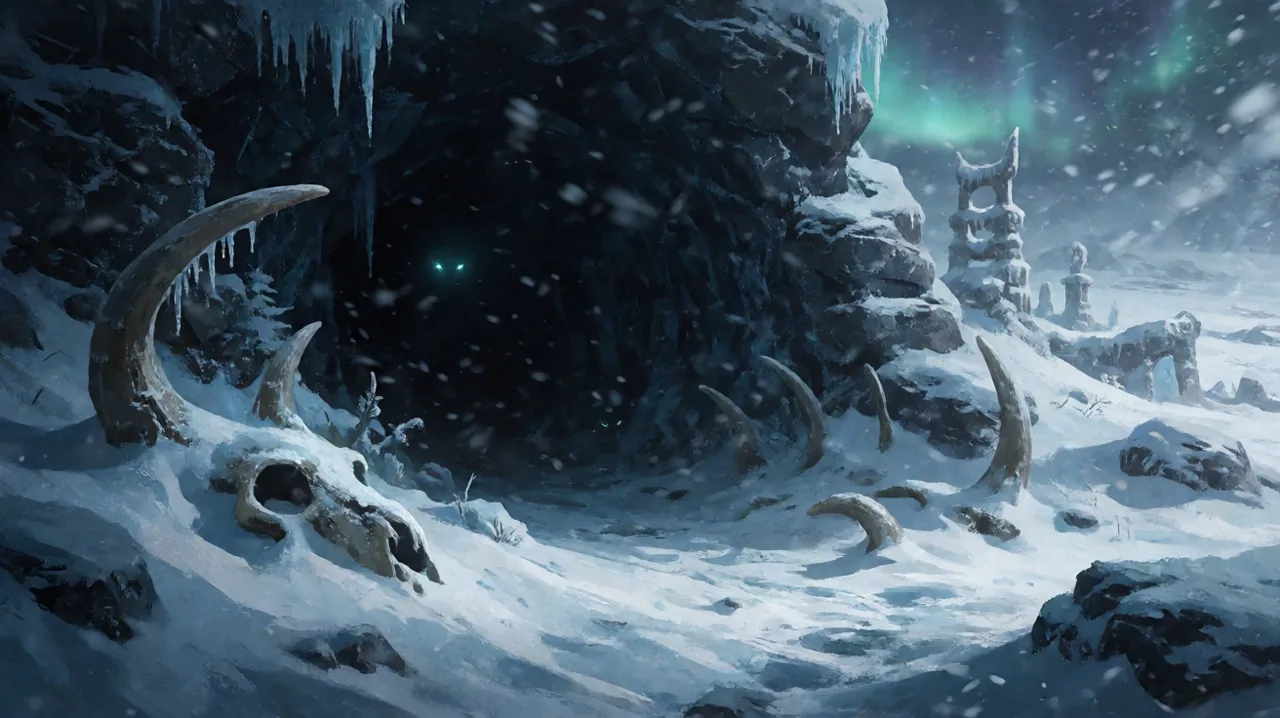
The frozen wasteland of Permafrost is vast, unforgiving, and constantly evolving. As SpaceRocket Games and publisher Toplitz Productions steadily march toward the anticipated Early Access launch, they continue to drip-feed crucial intelligence to prospective survivors through their “Signal” update series. The latest transmission, Signal #8, sheds light on a particularly grim Point of Interest (POI) within the game’s open world: the Bone Cave.
While previous updates have focused on expansive biomes, base-building mechanics, and NPC introductions, Signal #8 zooms in on the terrifying micro-environments that will test your preparation and resolve. This update confirms that the development team is heavily focused on refining the atmosphere and challenge of specific map locations, ensuring that every expedition away from your camp feels like a life-or-death gamble. If you want to catch up on the overarching features of the game before diving into the specifics of this update, check out our everything-we-know overview.
A Shelter Turned Tomb: The Environmental Storytelling of Permafrost
The lore of Permafrost is deeply rooted in the catastrophic event known as “The Shattering”—a moon-destroying cataclysm that plunged Earth into an eternal winter. The world players will explore as the engineer, Rook, is not just a blank canvas of snow; it is a graveyard of the world that was.
The description of the Bone Cave provides a chilling example of this environmental storytelling. The developers state: “Long before you knew about it, this used to be a shelter. For animals and humans alike. All that’s left now are bones.” This brief lore drop paints a vivid picture of the immediate aftermath of The Shattering. When the temperatures plummeted drastically, both desperate survivors and fleeing wildlife likely sought refuge in the subterranean warmth of natural cave systems.
However, a cave can quickly transform from a sanctuary into a tomb when supplies run dry and the cold seeps in. The presence of human and animal bones mingled together suggests a grim history of starvation, freezing, and likely, violent conflict over whatever meager resources remained. Exploring locations like the Bone Cave will reportedly piece together the broader narrative of how humanity failed to adapt in the early days of the freeze. For players starting their journey, understanding these environmental clues will be vital, as discussed in our beginner-survival-guide.
Rebuilding the Atmosphere: The Bone Cave Overhaul
Game development, especially in the survival genre, often requires iterating on existing locations to ensure they deliver the intended emotional impact. According to SpaceRocket Games, the Bone Cave is considered “one of the more atmospheric places in Permafrost, and the approach to it wasn’t doing it justice.”
To rectify this, the team has completely reworked both the exterior approach and the interior layout of the cave. While we only have a glimpse of these changes, the implications for gameplay are significant. An overhauled approach likely means a more treacherous path. Survivors might have to navigate narrow, icy ledges, deal with sudden drops in temperature due to wind tunnels, or face a lack of visibility as the blowing snow obscures the cave entrance.
Inside, the reworked interior is expected to utilize advanced lighting and sound design to heighten tension. In a game where the cold is your primary enemy, finding a cave naturally feels like a relief—a break from the biting wind. The developers are clearly playing with this expectation, luring players into a false sense of security before springing a trap. The contrast between the howling blizzard outside and the echoing, bone-crunching silence inside the cavern will undoubtedly make for some of the most tense moments in the game.
The New Permanent Resident: A Deadly Encounter
The most alarming piece of information in Signal #8 is the confirmation of a new threat. The update notes: “Not many visit this place, as a new permanent resident has moved in… and added a new encounter waiting for you.”
In the context of a survival game set in a frozen apocalypse, a “permanent resident” in a cave filled with bones is rarely a friendly trader. This heavily implies the introduction of a formidable apex predator. While the exact species remains unconfirmed, community speculation is running rampant. Could it be a massive, scarred grizzly bear that has adapted to the perpetual winter? A pack of desperate, starving wolves using the cave as a den? Or perhaps something more mutated and sinister, twisted by the strange fallout of The Shattering?
Whatever this creature is, it introduces a “new encounter.” This suggests that fighting or evading this resident won’t be a standard skirmish. It is reportedly a curated, high-stakes combat or stealth event. The confined space of a cavern negates many of the advantages players have in the open tundra. You cannot simply run away or easily kite an enemy in the dark, claustrophobic tunnels.
This is where your canine companion will prove invaluable. As your primary scout and early-warning system, your dog will likely alert you to the predator’s presence long before you see it in the dark. Paying attention to your dog’s behavioral cues—such as growling, pacing, or refusing to enter the cave—will be a critical survival skill.
”Hunger Isn’t Only a Human Problem”
The development update closes with a poignant reminder: “Remember - hunger isn’t only a human problem.” This single sentence reveals a lot about the artificial intelligence and ecological systems driving Permafrost.
It confirms that wildlife in the game is not simply pacing back and forth waiting for the player to arrive. They are part of a simulated ecosystem where they, too, are suffering from the catastrophic climate shift. A predator driven to the brink of starvation by the frozen wasteland will be infinitely more aggressive, territorial, and relentless than a well-fed animal.
This mechanic is expected to dynamically alter animal behavior based on the harshness of the weather and the scarcity of prey. If a blizzard has wiped out smaller game, larger predators might become bolder, leaving their dens to actively hunt the player. In the case of the Bone Cave’s resident, you are walking directly into the lair of a creature that is actively starving. You are not just an intruder; you are a much-needed meal.
Preparing for the Expedition
Given the ominous warnings in Signal #8, charging headlong into the Bone Cave with basic gear is a guaranteed death sentence. If you plan to clear this POI when the game launches, rigorous preparation will be mandatory.
- Upgraded Weaponry: A basic makeshift spear or an old rusty axe will likely not be enough to take down a massive, cornered predator. Players will need to invest in advanced blueprints. Reviewing the crafting-guide to understand how to craft robust melee weapons, sturdy traps, or eventually, firearms and ammunition, will be crucial.
- Thermal Protection: While a cave might block the wind, it won’t necessarily be warm. If the encounter drags on, you risk succumbing to hypothermia mid-fight. High-tier insulated clothing and portable heat sources are essential.
- Medical Supplies: If you are engaging an apex predator in close quarters, you will take damage. Stockpiling bandages, splints for broken limbs, and medicinal salves to prevent infection will be the difference between limping out of the cave or joining the pile of bones.
- Strength in Numbers: Permafrost supports 1-4 player co-op. A location this dangerous is the perfect reason to team up. One player can hold a torch or flare to illuminate the cavern and keep the beast at bay, while others deal damage or set traps. For tips on coordinating with your survival squad, consult our permafrost-co-op-guide.
- Alternative Shelters: Because the Bone Cave is occupied, you cannot rely on it as a safe haven during a sudden blizzard. You must bring the materials to construct a temporary shelter or a robust tent nearby before venturing inside. Familiarize yourself with the mechanics in our base-building-guide to ensure you always have a fallback position.
High Risk, High Reward
Why risk entering the Bone Cave at all? In the brutal economy of Permafrost, immense danger usually guards immense value. While not yet confirmed by SpaceRocket Games, locations with high-tier threats like this are expected to house rare crafting materials, unique story artifacts, or significant stockpiles of old-world resources left behind by the cave’s previous, less fortunate occupants.
The bones themselves might even be a resource, useful for crafting rudimentary tools, bone meal for primitive farming, or reinforced armor plating. In a world where every scrap matters, a cave full of remains is a grisly but valuable goldmine.
As we move closer to the Early Access window, updates like Signal #8 continue to flesh out the dangerous, atmospheric world of Permafrost. The developers are making it clear that survival will require more than just managing meters—it will require strategic thinking, careful preparation, and the courage to face whatever horrors have claimed the frozen dark. We will continue to monitor all incoming signals from SpaceRocket Games and keep the wiki updated. Stay tuned for more coverage, and keep an eye on our permafrost-release-date hub for the latest launch timing details. Stay warm, survivors.